
Introduction: What Is the Holiday Really Called?
Every February, Americans celebrate what many call “Presidents’ Day.” Retailers advertise major sales. Schools close. Federal offices shut down. Yet few people realize that the official federal holiday is still named “Washington’s Birthday.”
So which is correct? Is it Presidents’ Day or George Washington’s Birthday?
To understand the truth, we must trace the history of the holiday—from the birth of George Washington to modern legislation that reshaped how the nation observes it.
When Was George Washington’s Actual Birthday?
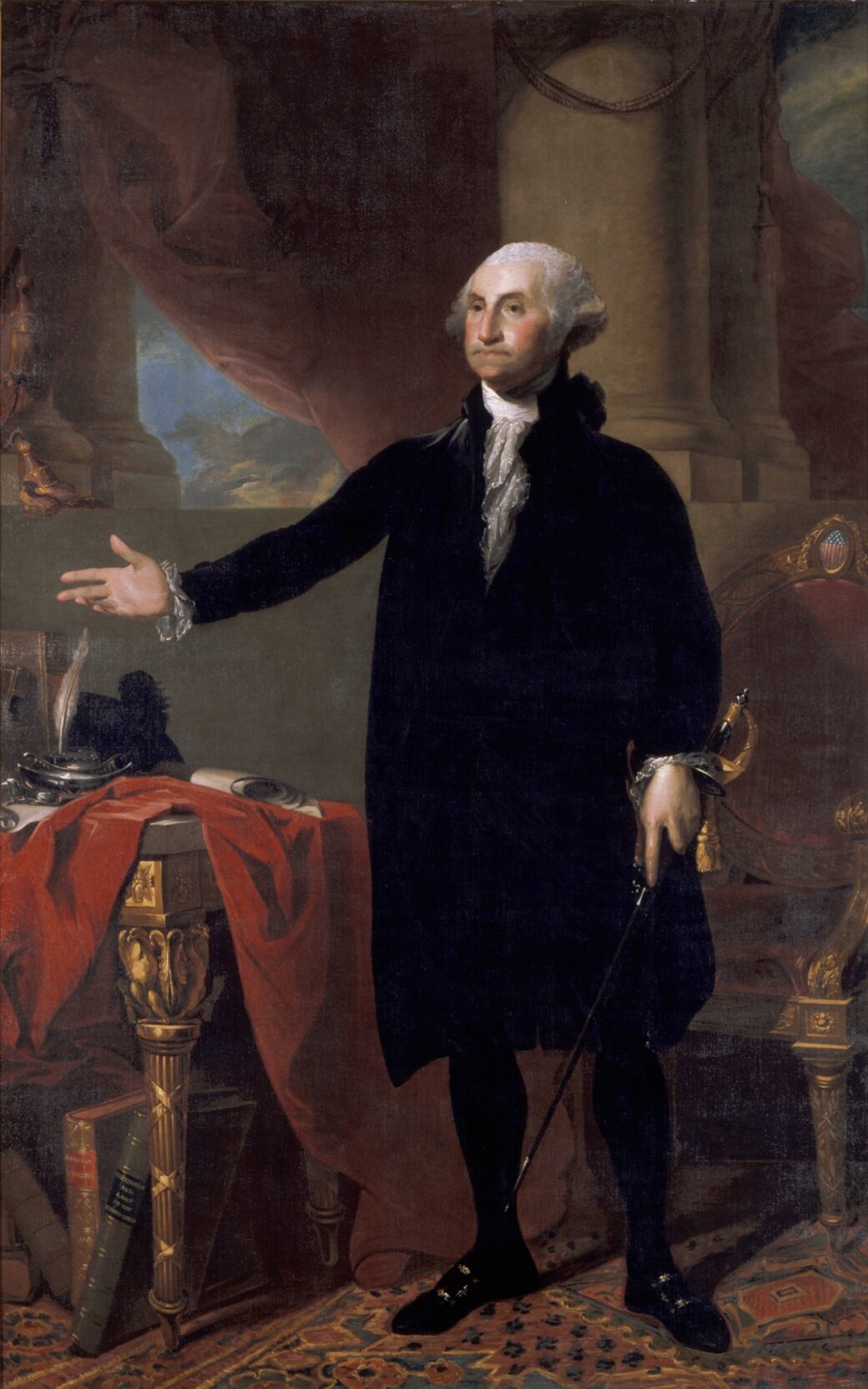


George Washington was born on February 22, 1732.
However, at the time of his birth, the British Empire used the Julian calendar. When Britain adopted the Gregorian calendar in 1752, Washington’s birth date shifted from February 11 (Old Style) to February 22 (New Style). This is the date we officially recognize today.
The First Federal Recognition: 1879
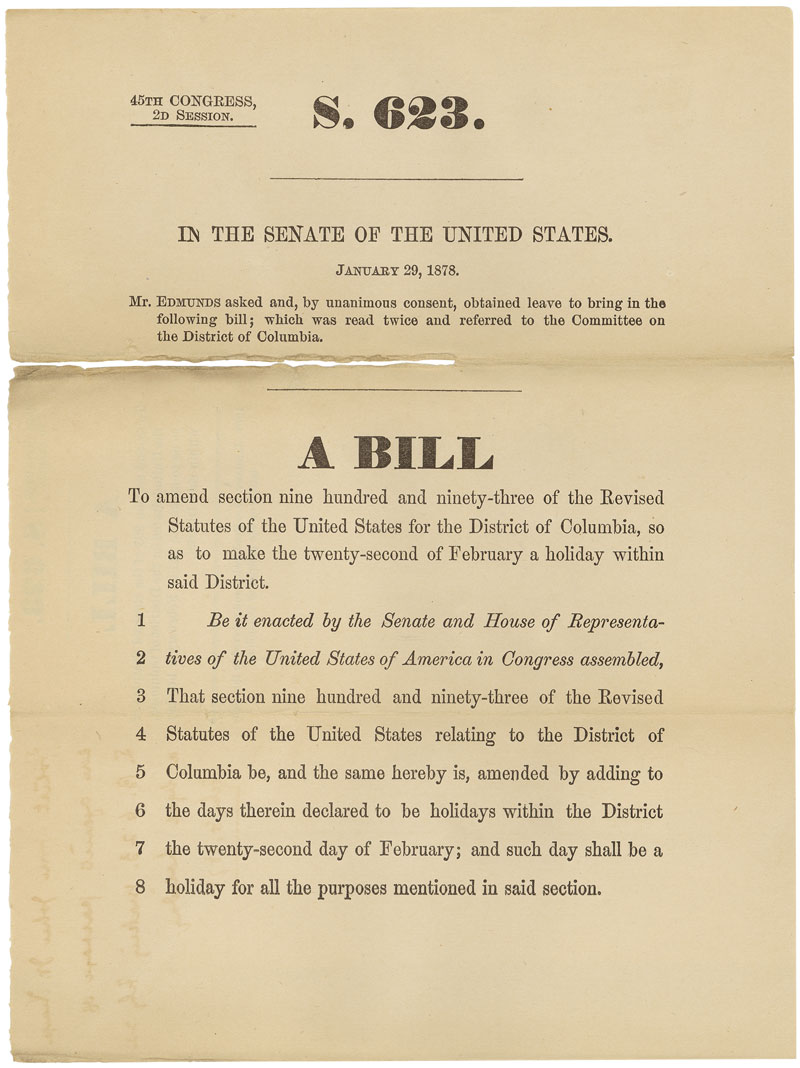

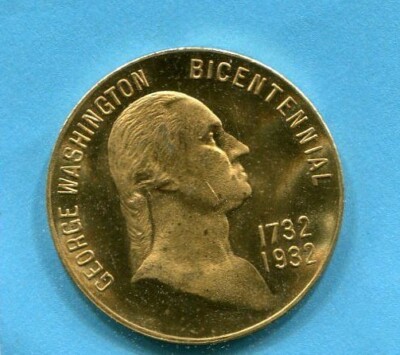
After Washington’s death in 1799, Americans informally celebrated his birthday with speeches, parades, and patriotic gatherings. However, it was not until January 31, 1879, that Congress officially declared February 22 a federal holiday.
This made Washington’s Birthday the first federal holiday honoring an individual American citizen.
The holiday initially applied only to federal offices in Washington, D.C., but was later expanded nationwide.
A Unique Senate Tradition: Reading the Farewell Address
Beginning in 1896, the United States Senate established a tradition of reading Washington’s Farewell Address aloud on February 22.
This annual ceremony honors Washington’s warnings about:
-
Political factions
-
Foreign entanglements
-
Sectional divisions
More than a century later, senators continue this ritual, reinforcing Washington’s lasting influence on American governance.
The Uniform Monday Holiday Act of 1968
For nearly 90 years, Washington’s Birthday was celebrated on February 22, regardless of the day of the week.
That changed on June 28, 1968, when Congress passed the Uniform Monday Holiday Act.
The law had two primary goals:
-
Create consistent Monday holidays
-
Provide federal employees with more three-day weekends
Under this legislation, Washington’s Birthday was permanently moved to the third Monday in February, beginning in 1971.
This change means the holiday never falls on February 22 anymore.
Is It Officially Called “Presidents’ Day”?
Here is the crucial fact:
The federal government has never renamed the holiday “Presidents’ Day.”
The official name remains “Washington’s Birthday.”
The term “Presidents’ Day” emerged in the mid-20th century. In 1951, there was an effort to officially rename the holiday to honor multiple presidents, but Congress rejected the proposal.
So how did the name stick?
The Role of Marketing in the 1980s
During the 1980s, retailers began promoting “Presidents’ Day Sales.” The broader name was more commercially appealing and inclusive. Over time, public usage shifted.
Today:
-
Federal law says Washington’s Birthday
-
Popular culture says Presidents’ Day
The discrepancy remains.
Why Lincoln Is Often Included
Many Americans associate the February holiday with both Washington and Abraham Lincoln.
Lincoln was born on February 12, 1809. Although his birthday was once a separate observance in some states, it was never a federal holiday.
The proximity of Lincoln’s birthday to Washington’s helped fuel the idea of combining them into a broader celebration of American presidents.
However, legally speaking, the third Monday in February still commemorates Washington alone.
How States Recognize the Holiday
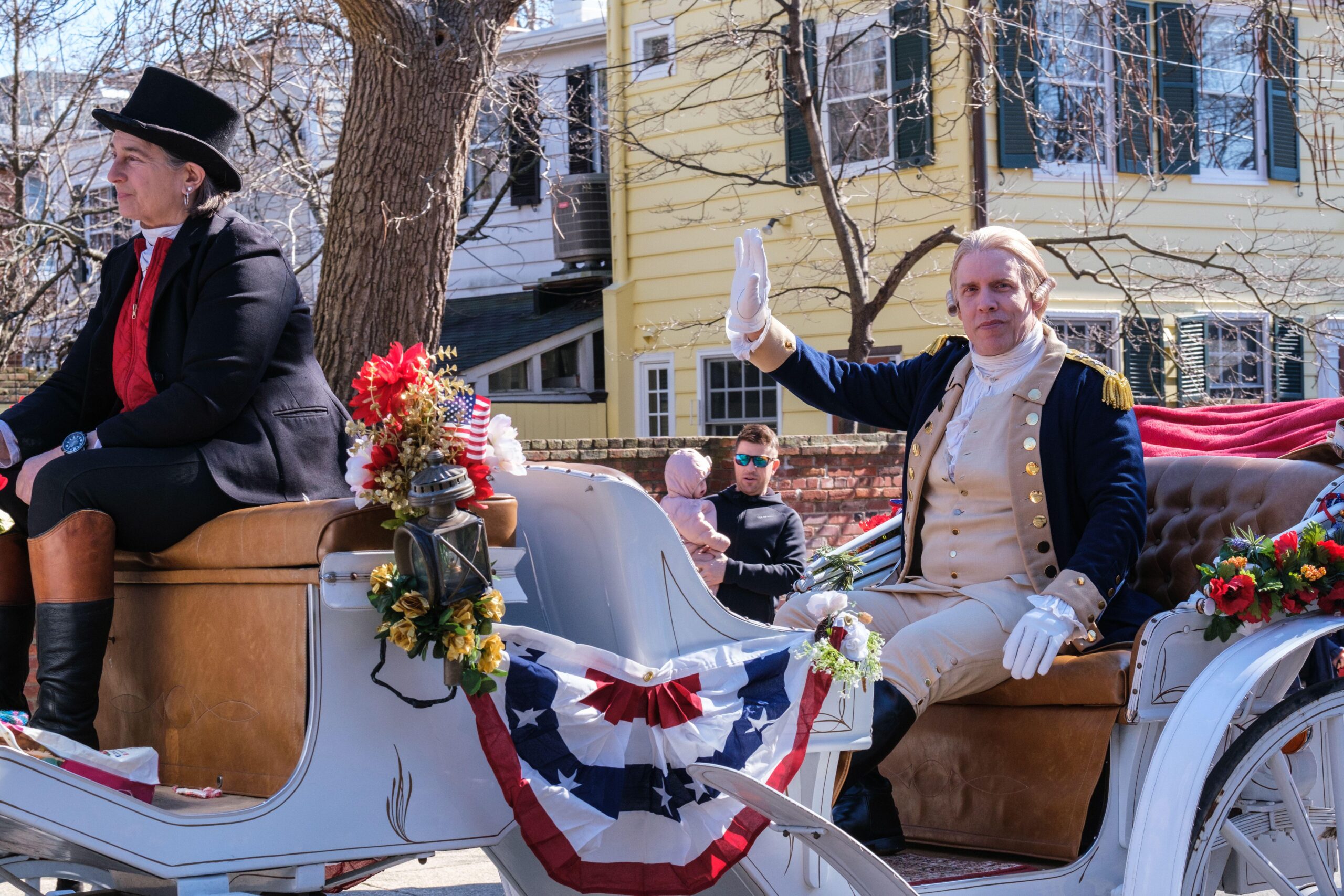

While federal terminology remains unchanged, states vary in how they recognize the day.
Some states, including:
-
Virginia
-
Illinois
-
Iowa
-
Florida
-
New York
Officially observe it as “Washington’s Birthday” or “George Washington Day.”
Virginia’s Extended Celebration
In Virginia, Washington’s home state, February is often treated as a month-long tribute. Ceremonies at Mount Vernon include wreath layings and historical reenactments.
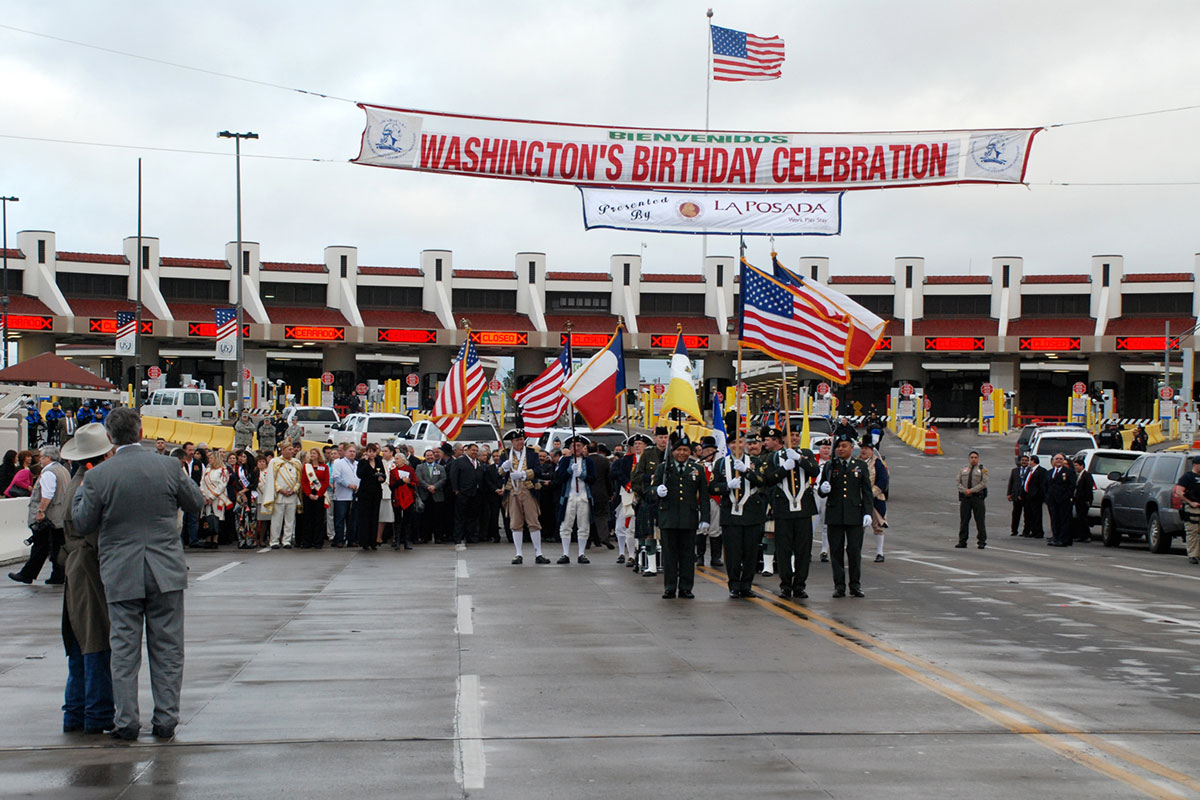
Laredo, Texas: A Month-Long Festival
The city of Laredo, Texas, has celebrated Washington’s Birthday since 1898 with a massive festival that spans nearly the entire month of February—one of the longest-running civic celebrations in the United States.
Why the Name Matters
The debate over the holiday’s name reflects deeper questions about American identity.
Supporters of “Presidents’ Day” argue that:
-
The holiday should honor the office of the presidency
-
It provides broader historical recognition
Supporters of restoring “George Washington Day” argue that:
-
Washington’s leadership during the Revolutionary War was singular
-
As the first president, he set foundational precedents
-
His legacy should not be diluted
Washington voluntarily relinquished power after two terms, establishing the peaceful transfer of authority as a national norm. That decision shaped American democracy in ways unmatched by any successor.
How Washington Celebrated His Own Birthday
Ironically, Washington himself was not fond of grand personal celebrations.
During his lifetime, he typically:
-
Answered correspondence
-
Managed affairs at Mount Vernon
-
Avoided elaborate festivities
Despite his modesty, public celebrations began while he was alive and grew significantly after his death.
Modern Observance: What Americans Actually Celebrate
Today, the third Monday in February functions as:
-
A federal holiday
-
A retail sales event
-
A civic commemoration
But legally, it remains Washington’s Birthday.
Many Americans remain unaware of the official terminology. Government calendars, federal statutes, and the U.S. Code all maintain the original name.
Should Washington Have His Own Day Again?
There is ongoing public discussion about restoring February 22 as a fixed national holiday exclusively honoring George Washington.
Advocates argue that:
-
Washington’s role as Commander-in-Chief during the Revolutionary War was decisive
-
His presidency defined constitutional precedent
-
His voluntary departure from power set global democratic standards
As the nation’s founding president, his influence continues to shape American political life.
The Final Answer: Presidents’ Day vs. Washington’s Birthday
Here is the clear conclusion:
-
Official Federal Name: Washington’s Birthday
-
Observed Date: Third Monday in February
-
Common Public Name: Presidents’ Day
The federal government has never legally adopted “Presidents’ Day” as the official title.
The confusion stems from legislative scheduling changes and decades of commercial branding.
Conclusion: Understanding the Legacy Behind the Holiday
The February holiday is more than a long weekend. It represents the enduring influence of George Washington, a leader whose commitment to republican government shaped the nation’s future.
Whether called Washington’s Birthday or Presidents’ Day, the historical foundation remains rooted in honoring America’s first president.
Understanding the distinction between official law and popular usage clarifies the truth behind one of the nation’s most misunderstood holidays.