
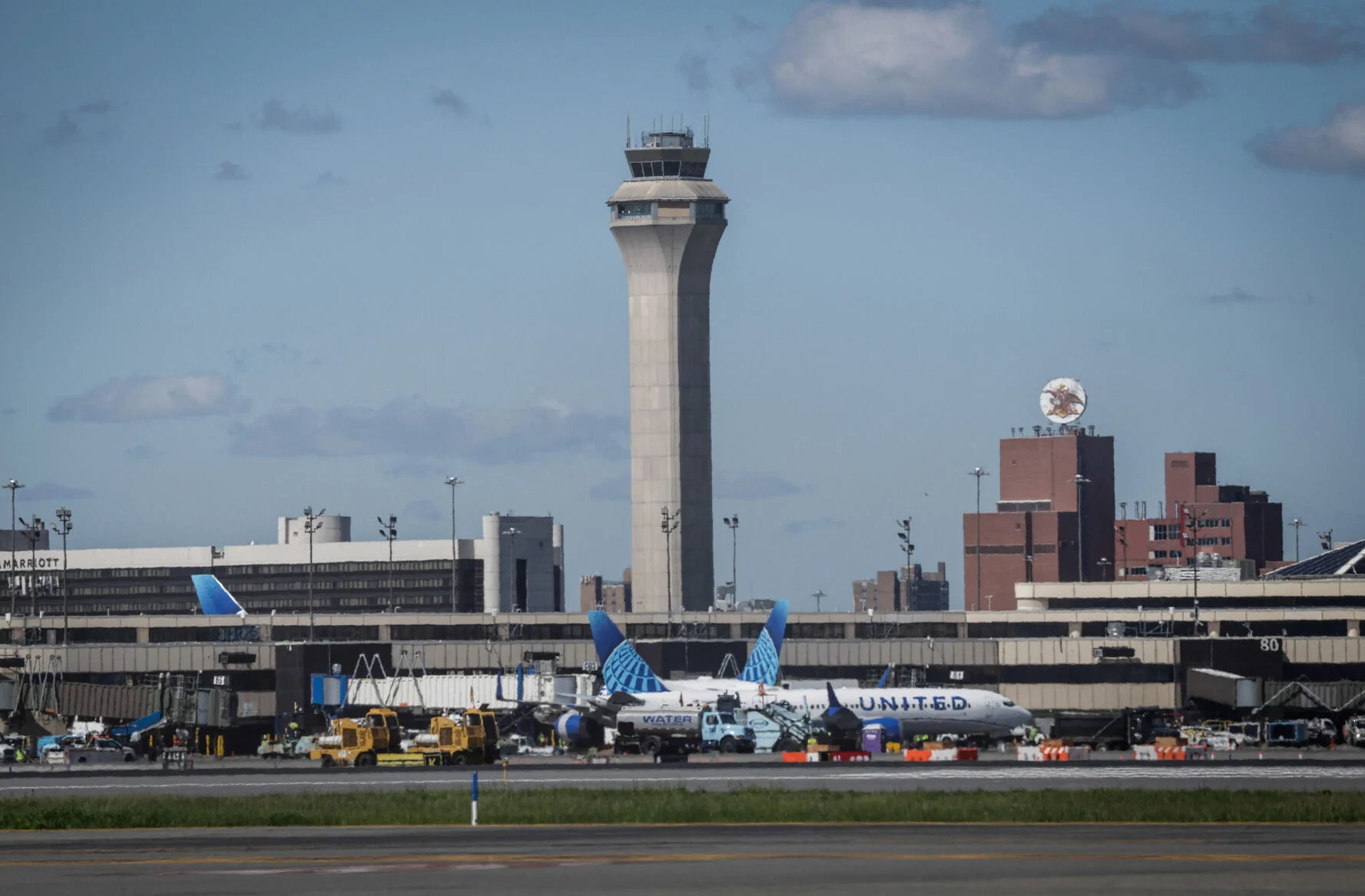
New Jersey health authorities are urging travelers to remain vigilant after a confirmed case of measles was detected in a passenger who spent more than three hours inside Newark Liberty International Airport last week. The New Jersey Department of Health (NJDOH) released a public alert on Monday, warning that anyone who was in Terminal B on October 19 between 2:15 p.m. and 5:30 p.m. may have been exposed to the highly contagious virus.
The department’s announcement has raised renewed concerns about measles outbreaks in the United States, as health experts continue to emphasize the importance of vaccination and early detection.
What Happened at Newark Airport?
According to health officials, the infected traveler — who had measles at the time of their visit — passed through Newark Liberty International Airport, one of the busiest travel hubs in the country, during the afternoon of October 19. The individual remained in Terminal B for over three hours, potentially exposing hundreds of people to the virus.
Officials have not disclosed the passenger’s identity, nationality, or final destination due to privacy regulations. However, they confirmed that the Centers for Disease Control and Prevention (CDC) and Port Authority have been notified and are assisting in contact tracing and investigation.
The NJDOH stated that the exposure risk is limited to travelers and airport staff who were present in Terminal B during the specified time frame. Those who were elsewhere in the airport are not believed to be at risk.
What Is Measles and Why Is It a Concern?
Measles is a highly contagious viral disease caused by the measles virus (rubeola). It spreads through respiratory droplets when an infected person coughs or sneezes, and the virus can remain airborne for up to two hours after an infected individual has left the area.
According to the CDC, nine out of ten unvaccinated individuals exposed to measles will become infected. The illness typically begins with high fever, cough, runny nose, and red, watery eyes, followed by a distinctive red rash that spreads across the body.
While most people recover, measles can lead to serious complications, including pneumonia, encephalitis (swelling of the brain), and in some cases, death. These risks are especially high among young children, pregnant women, and individuals with weakened immune systems.
Health Department’s Response
The New Jersey Department of Health is now working closely with the CDC and local health departments to identify and notify individuals who may have been exposed. Those who were in Terminal B at Newark Liberty between 2:15 p.m. and 5:30 p.m. on October 19 are urged to:
-
Check their vaccination status — Ensure they have received two doses of the MMR (measles, mumps, and rubella) vaccine.
-
Monitor for symptoms — Be alert for fever, cough, runny nose, red eyes, or rash for up to 21 days after exposure.
-
Contact a healthcare provider before visiting a clinic or hospital if symptoms develop. This helps prevent further spread in healthcare settings.
-
Inform local health authorities if they suspect infection or exposure.
Health Commissioner Dr. Kaitlan Baston stressed the urgency of the situation, stating:
“Measles is incredibly contagious but also entirely preventable with vaccination. We urge anyone who may have been exposed to contact their healthcare provider immediately if symptoms appear.”
How Vaccination Protects Against Measles
The MMR vaccine remains the most effective protection against measles. According to the CDC, one dose is about 93% effective, and two doses are about 97% effective in preventing the disease.
Children are recommended to receive their first MMR dose at 12–15 months old and a second dose between ages 4 and 6. Adults born after 1957 who haven’t received both doses should consider vaccination, especially if they are international travelers or work in healthcare.
In recent years, the United States has seen sporadic outbreaks of measles, often linked to unvaccinated travelers returning from countries where the virus is more common. In 2024, several states reported small clusters of infections traced back to international travel, prompting public health agencies to strengthen surveillance.
Newark Airport Exposure Timeline
To help travelers assess potential risk, the NJDOH has outlined the following key details:
-
Date of Exposure: October 19, 2025
-
Timeframe: 2:15 p.m. – 5:30 p.m.
-
Location: Newark Liberty International Airport, Terminal B
-
Risk Level: Moderate for unvaccinated or immunocompromised individuals present during that time
Officials are also working with airlines and airport staff to determine whether any flights departing or arriving during that window may have carried exposed passengers.
What To Do If You Were at Newark Airport During That Time
If you were at Newark Liberty’s Terminal B on October 19, here’s what you should do:
-
Check your records: Verify if you’ve received both doses of the MMR vaccine.
-
Watch for symptoms: Keep an eye on your health until November 9 (21 days after potential exposure).
-
Stay home if sick: If symptoms appear, avoid public places and contact your doctor before visiting any healthcare facility.
-
Protect others: Inform those you were in close contact with, especially infants or unvaccinated individuals.
Broader Public Health Implications
This incident serves as a reminder of how quickly infectious diseases can spread in global travel hubs. Airports, with their high volume of international passengers, are potential hotspots for viral transmission.
Dr. Baston emphasized:
“Even one case of measles is cause for concern because of how fast it can spread. Vaccination is our strongest defense against outbreaks.”
The NJDOH and CDC continue to track the exposed individuals and monitor for secondary infections. So far, no additional cases linked to this exposure have been reported.
Final Thoughts: A Wake-Up Call for Travelers
The measles case at Newark Liberty International Airport highlights the importance of maintaining up-to-date vaccinations and staying informed during travel. While the risk to the general public remains low, early awareness and prevention are key to avoiding outbreaks.
As international travel increases, health officials are urging travelers to check immunization requirements before boarding flights — especially to or from countries where measles is still prevalent.
Travelers can find more information on measles, symptoms, and vaccination by visiting the CDC website or the New Jersey Department of Health’s official page.
Quick Facts About Measles:
| Category | Information |
|---|---|
| Virus Name | Measles virus (rubeola) |
| Transmission | Airborne droplets, surface contact |
| Incubation Period | 7–21 days |
| Key Symptoms | Fever, cough, runny nose, red eyes, rash |
| Prevention | MMR vaccine (2 doses) |
| Contagious Period | 4 days before to 4 days after rash onset |
Public health officials continue to monitor the situation closely. For now, travelers who were present at Newark Liberty’s Terminal B on October 19 are advised to remain cautious, stay informed, and contact their healthcare providers if any symptoms develop.